In-house AI inspection models
Proprietary AI models — AOI multimodal large models, positive-sample algorithms, optical-flow matching, and fast segmentation — enable rapid few-shot validation and pixel-level defect recognition.

From smart cameras and embodied inspection to industrial agents, APLUX provides a full-stack, hardware-software inspection capability covering the "eyes, hands, and brain" of industrial quality control.
Centered on on-device vision AI, we put data capture, recognition decisions, and site feedback into one deployable inspection chain.
Proprietary AI models — AOI multimodal large models, positive-sample algorithms, optical-flow matching, and fast segmentation — enable rapid few-shot validation and pixel-level defect recognition.
Qualcomm SoC cameras plus training, algorithm development, and model optimization platforms form a complete toolchain that supports no-code pipeline setup.
Humanoid and robotic arms combined with vision and AI inference give robots autonomous perception and task execution.
Large models, agents, and on-device inference deliver autonomous re-judgement and closed-loop work orders, so inspection can reason and decide.
Rhino Camera is APLUX's standard smart industrial camera product, ready to purchase and deploy, covering needs from project validation to complex production lines.
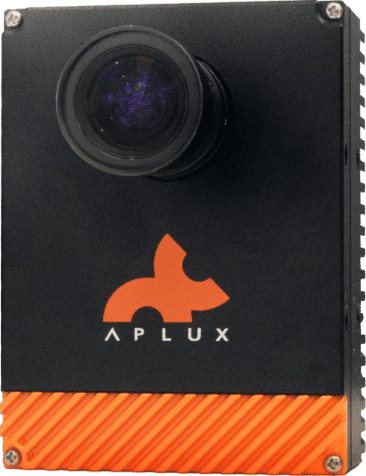
Standard smart industrial camera
Suited to basic industrial vision, Physical AI inspection, project validation, and stable on-site deployment.
View details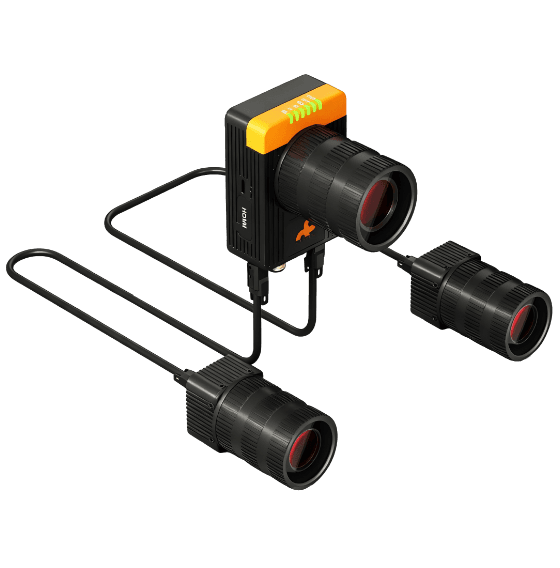
High-performance smart industrial camera
Suited to higher performance, multi-channel vision, and complex inspection tasks on upgrading production lines.
View detailsEmbodied robots work alongside inspection to deliver autonomous quality control that sees, measures accurately, and replaces manual work.
With large models as the brain, inspection can reason, decide, and close the loop autonomously — with on-device inference, data never leaves the plant.
Large models ingest vibration, temperature, current, and runtime logs; on anomalies they analyse likely root causes, suggest actions, and generate repair work orders — moving maintenance from fix-on-failure to predict-ahead and cutting unplanned downtime and repair cost.
Agents analyse process parameters, quality data, and energy consumption to recommend scheduling, parameter tuning, and yield improvements, then apply them after human confirmation — moving production from experience-led to data-led.
Combining video and sensor data, large models identify unsafe operations, hazardous behaviour, and hidden risks around the clock, alerting immediately and pushing response plans — turning after-the-fact accountability into real-time prevention.
Equipment manuals, process specifications, repair cases, and veteran know-how become a knowledge base that engineers can query in natural language — so experience stays with the company and new staff ramp up faster.
Agents extract key fields from drawings, BOMs, and quotations, compare them against historical quotes and cost structures, flag abnormal cost items and quotation risks, and output review suggestions and checklists.
Integrated smart camera hardware and software for industrial vision scenarios.
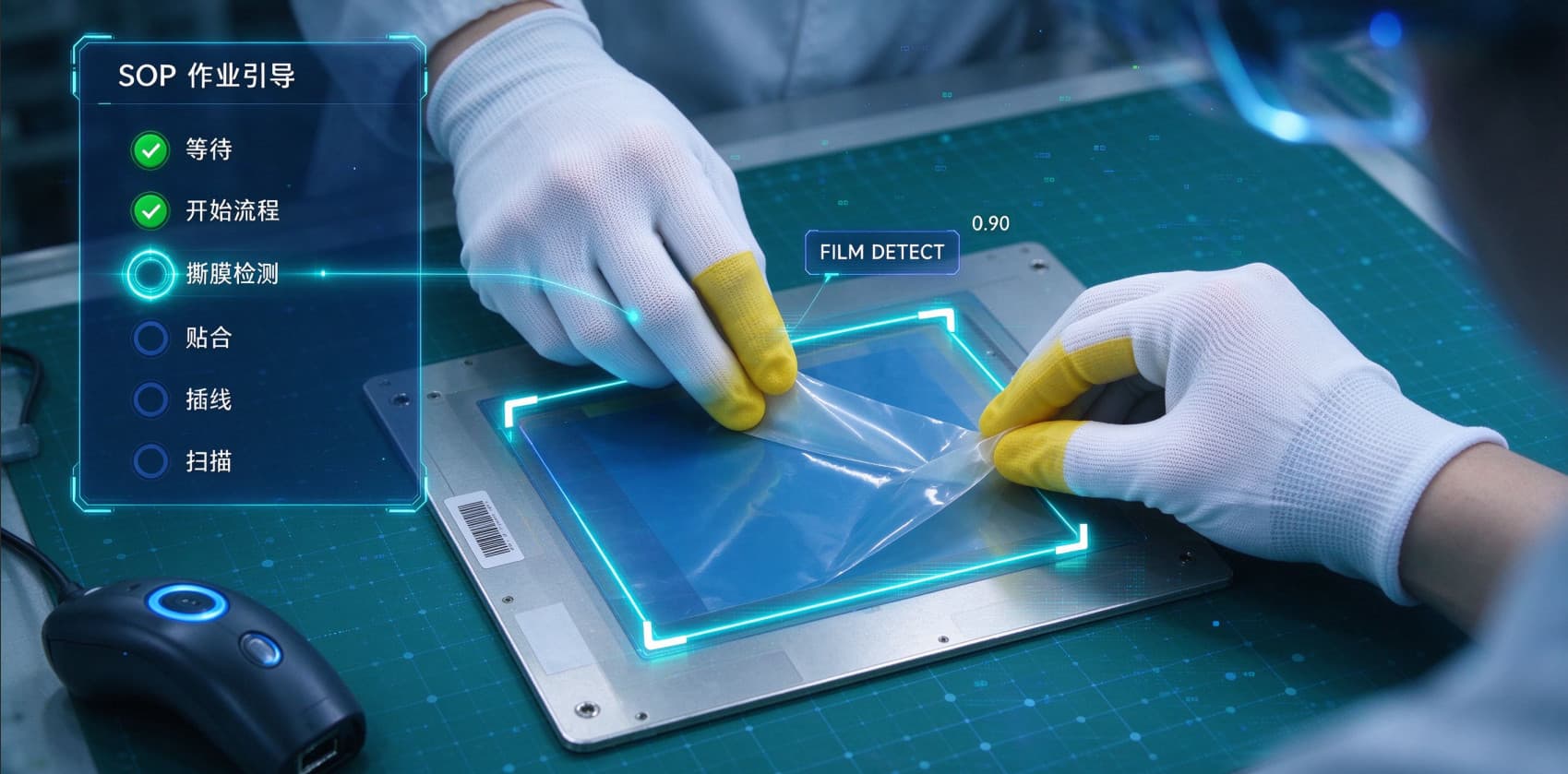
Real-time inspection of standard operating procedures, identifying each step and confirming it is followed.
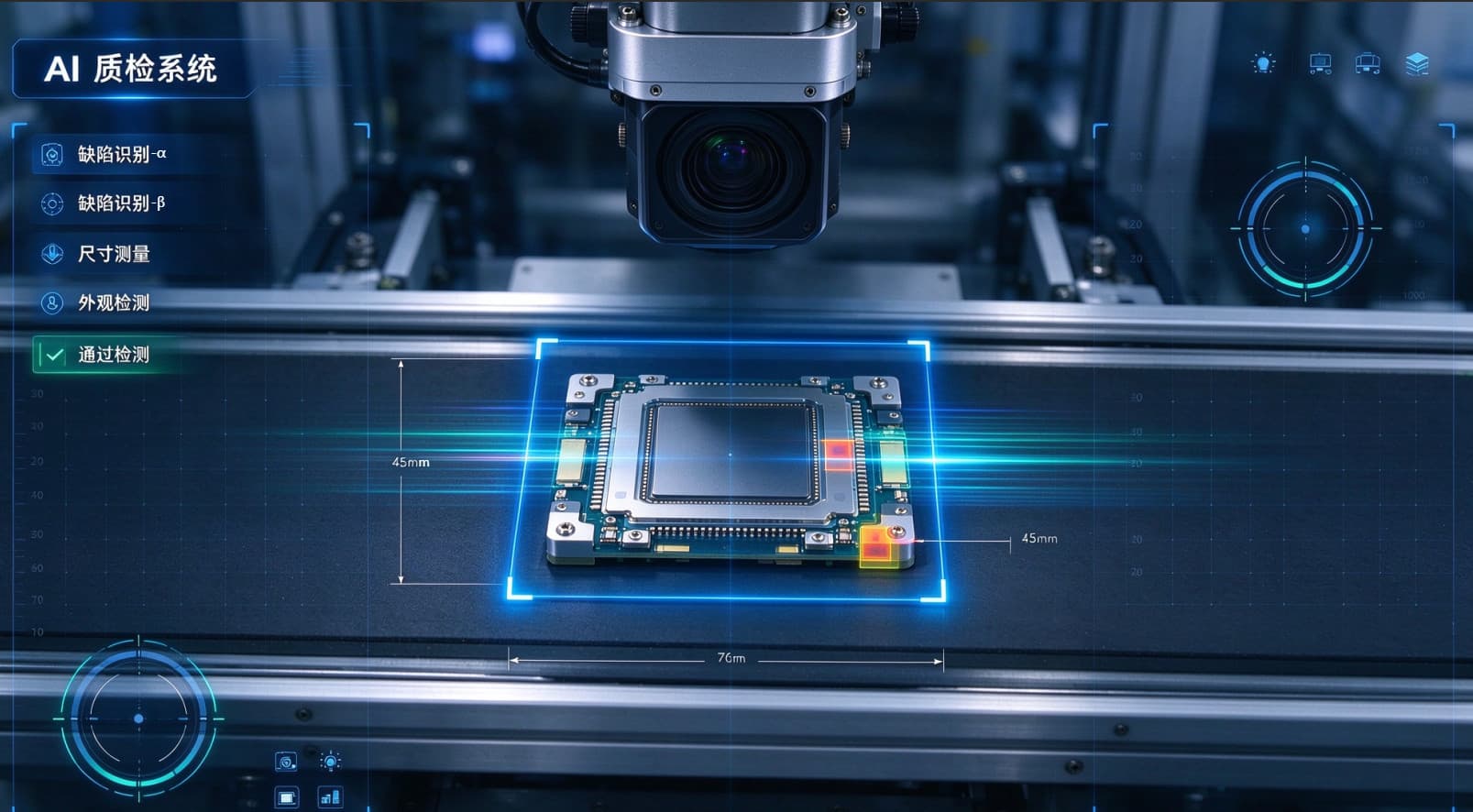
Automatic identification of product defects and anomalies for industrial quality control.
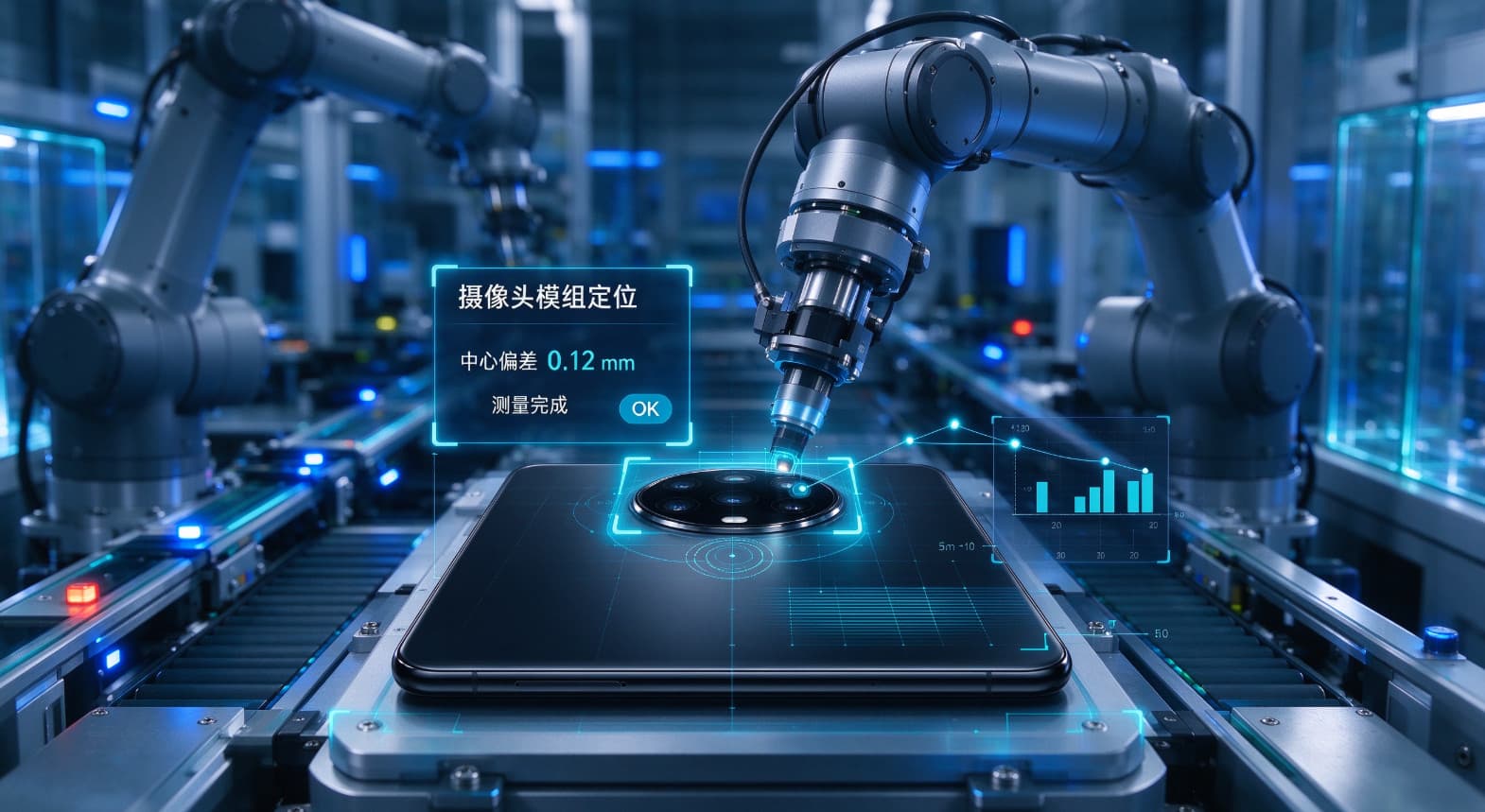
Precise target positioning and dimension measurement for high-precision industrial vision.
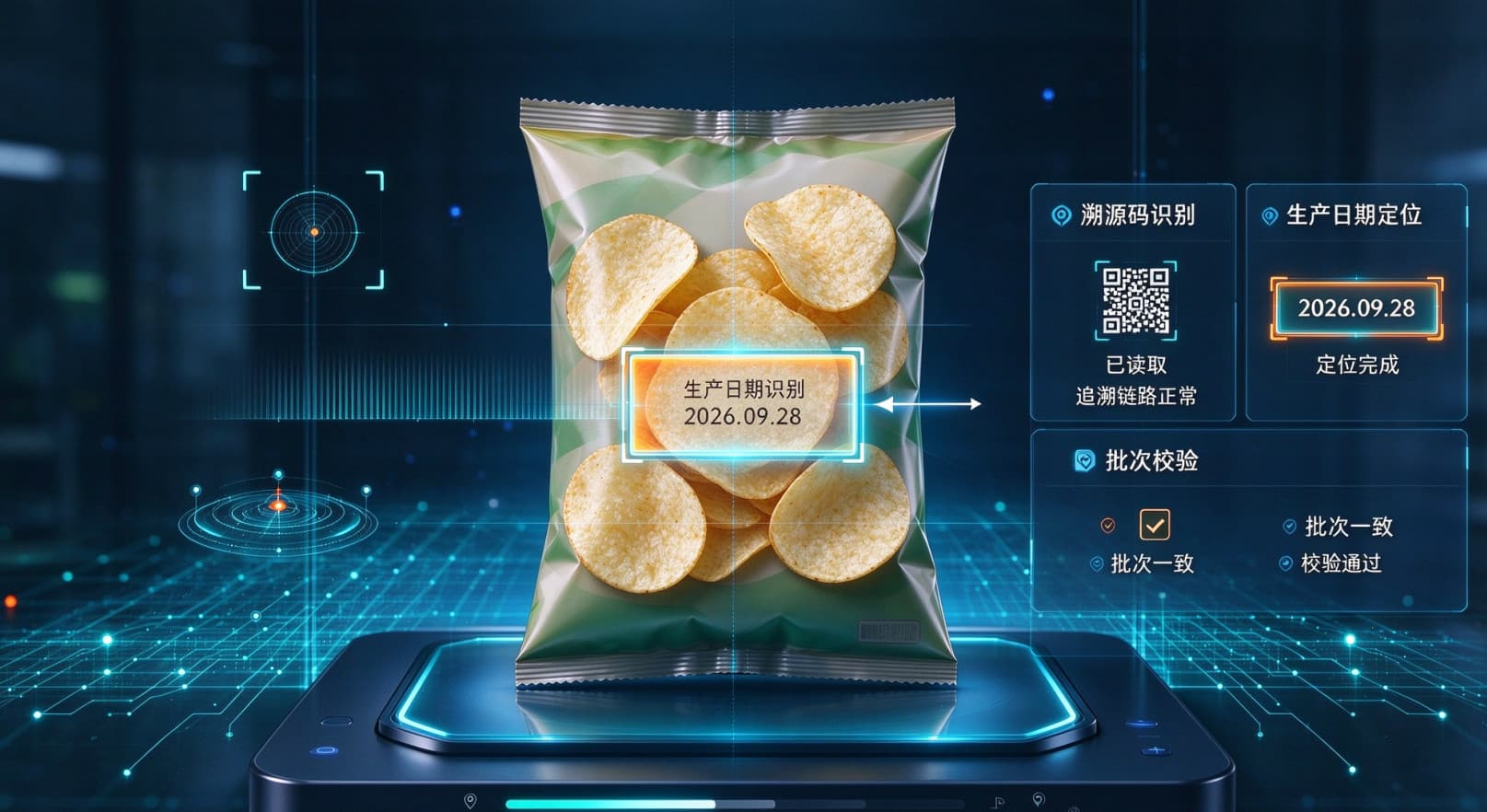
Reads product characters, labels and inkjet codes for automatic capture and traceability.
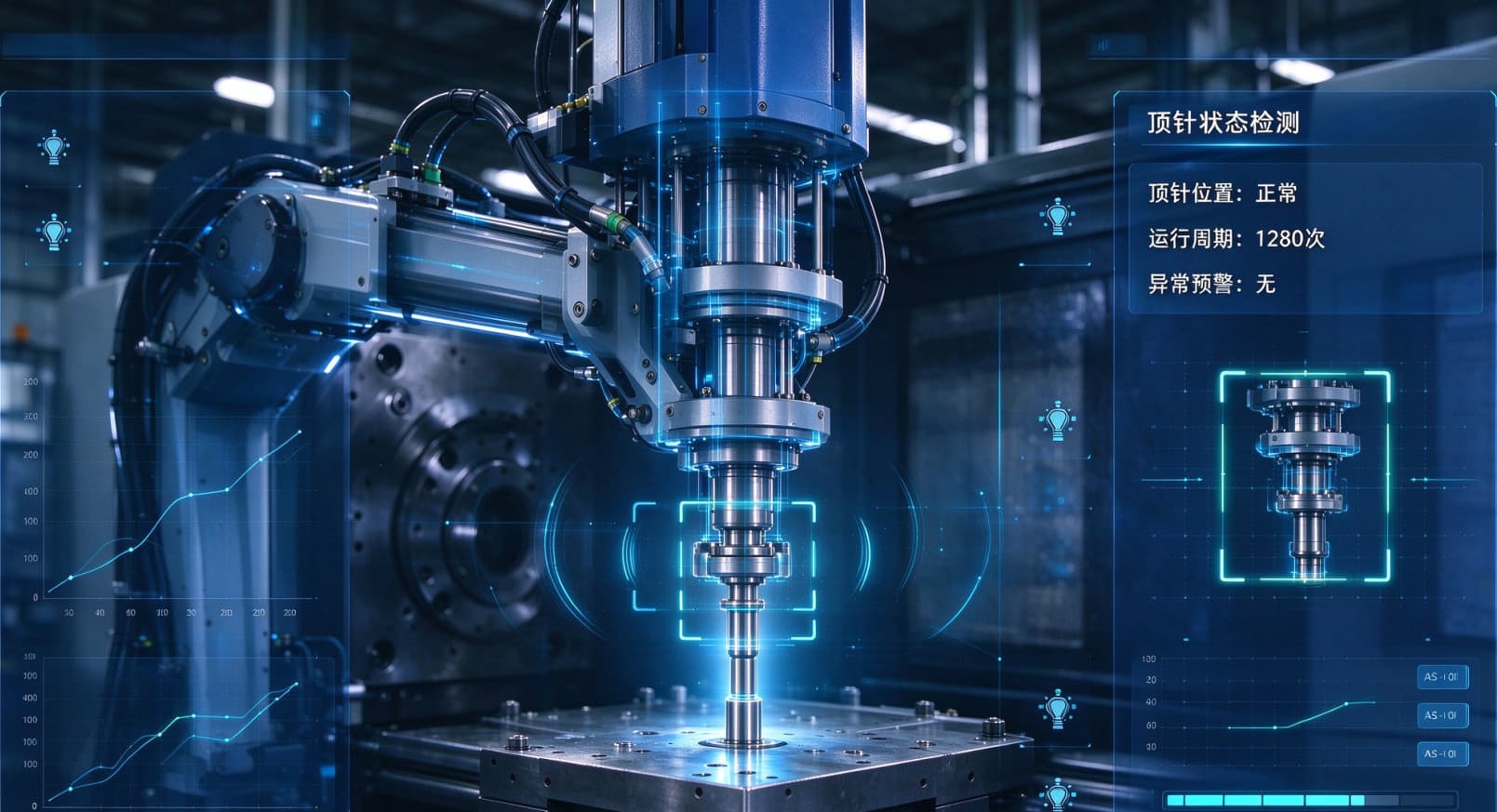
Checks part assembly and equipment state to catch anomalies and missing parts early.
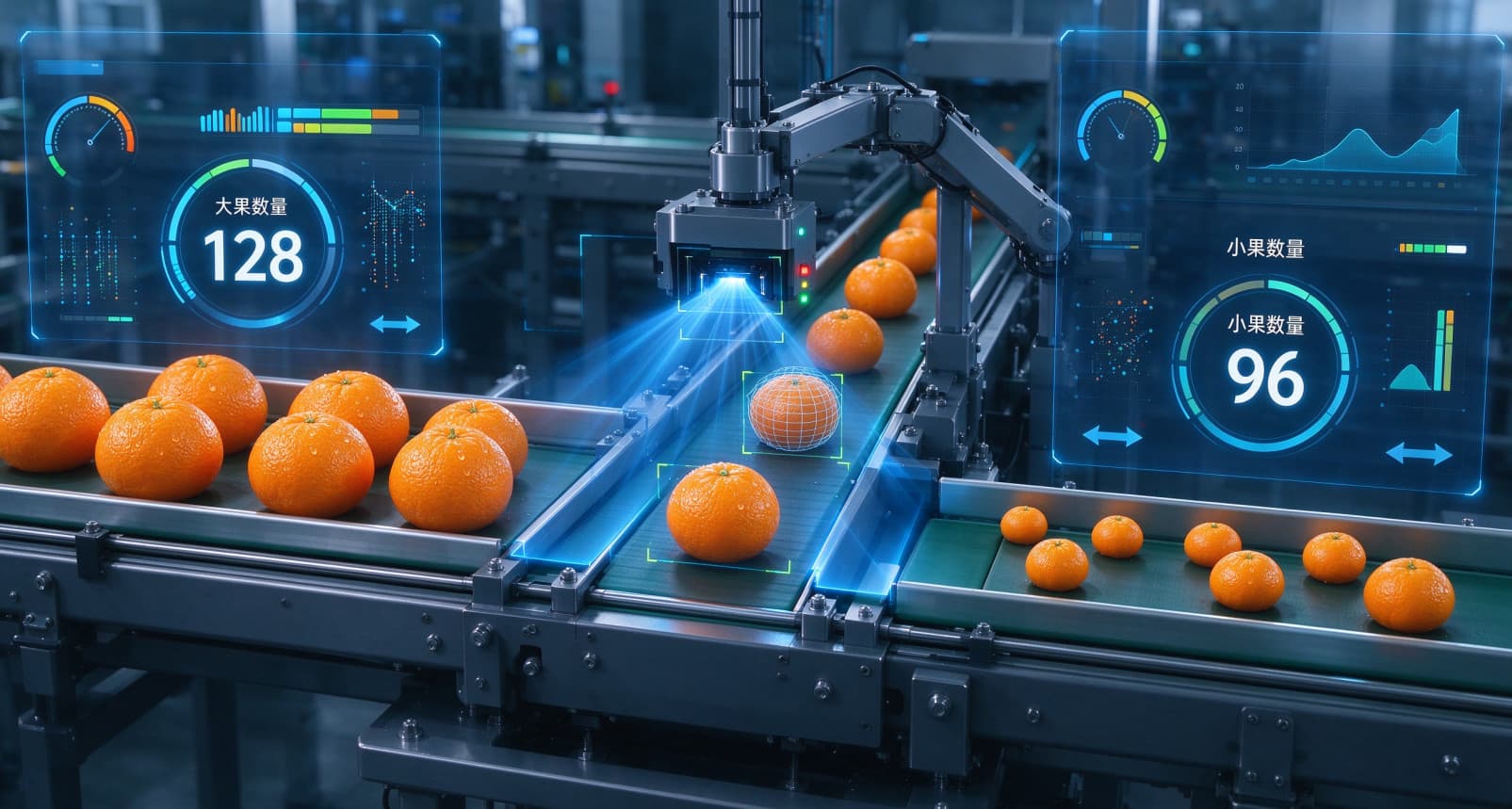
Automatic counting, classification and sorting to raise production efficiency.
Share the inspection target, defect types, cycle time, and deployment conditions, and we can confirm the inspection approach and the right smart camera model.